What follows is a scene that didn’t make it through editing — not because it isn’t true, but because it’s full of details about preparing to backpack for a year in the pre-digital 1980s. If it’s more than you want to know, feel free to skip it and come back next Thursday.
Mac helped us brainstorm what to do before leaving. When Vivian finished making a list, she said, “It’s amazing the number of things you have to do to do nothing. Medical, bank accounts, money,” she said as she ticked them off, “mail, airline tickets, insurance, shipping our things, and storing them.”
From the outside, it all seemed easy—just put on a backpack and leave—but as we got closer to our adventure, the warts were starting to appear.
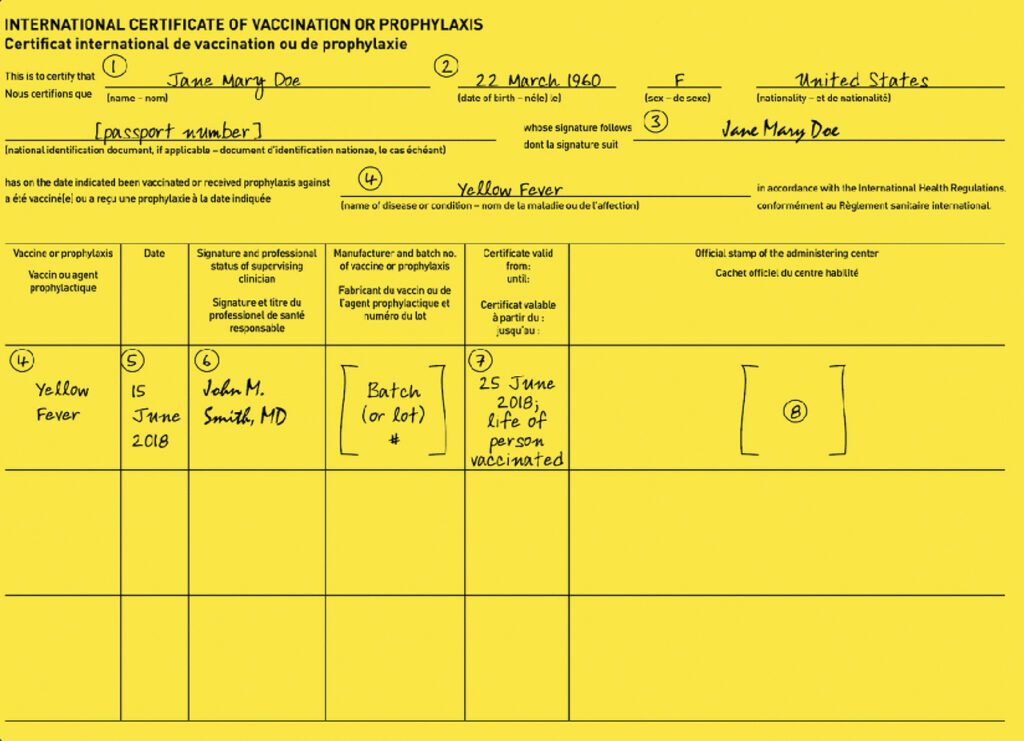
One evening in early September, I found Vivian at the kitchen table, which was covered with papers, pills, and other medicines. “I went to the Tropeninstitut (Tropical Disease Institute) today,” she said. “We’ll need shots for everything from Yellow Fever to some forms of plague. Most countries we want to visit will require proof of vaccination in something called a Yellow Card.” She held up a small yellow booklet about the size of a passport.
“The doctor said we needed medical supplies to stabilize us for three days. If we haven’t reached an international airport by then for evacuation, it probably won’t matter. And then there’s AIDS. Anything involving blood is a problem. If we make it to sub-Saharan Africa, they said we should get injectable painkillers and syringes locally. If we buy them before then, most customs officials won’t understand.”
“We have to be careful of malaria, especially since we’ve never had it before and have no resistance.” She handed me a brochure. “It can go to the brain, rupture your spleen, or cause liver failure. They prescribed Chloroquine for us to take as a prophylaxis, but it’s losing its effectiveness, so they also prescribed something called Fansidar. It’s toxic. We only use it if we get malaria. It can hurt our liver.”
“We’ll keep our health insurance through the German Krankenkasse,” she continued. “It will be around eight hundred marks per month for the two of us, but it means we can come back here for treatment if we need to.”
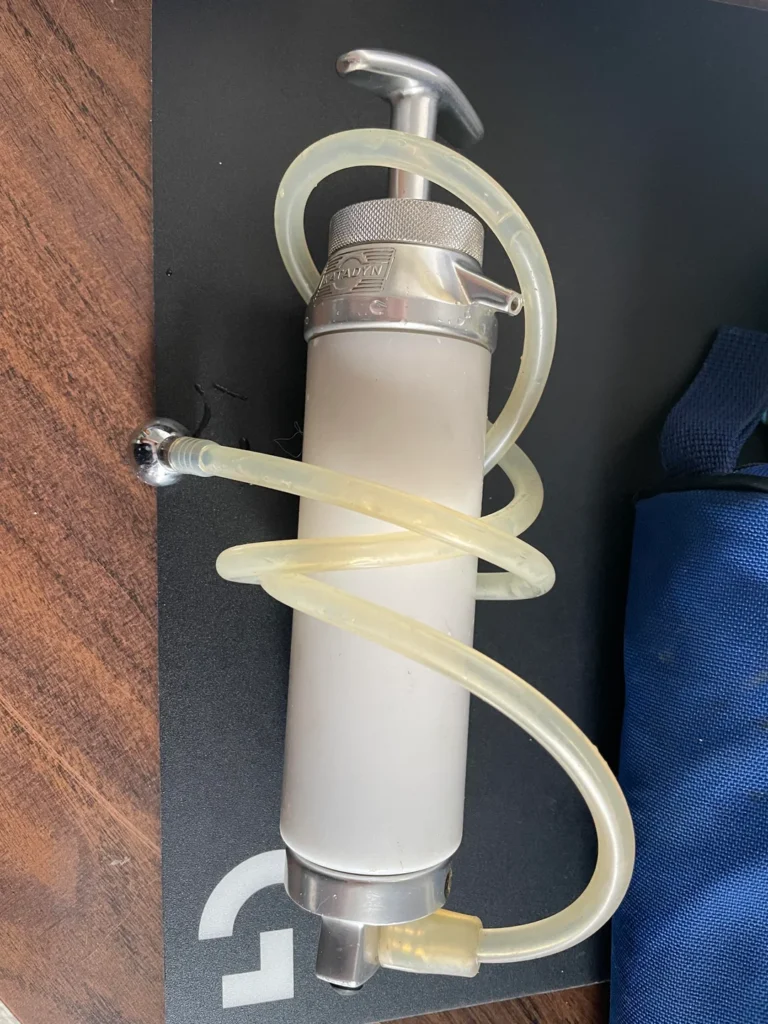
That weekend, we visited the Tropeninstitut and began our vaccination protocol. While there, a doctor advised us to check any bottled water to make sure it hadn’t been refilled and recapped. “Get a good water filter,” he recommended. “Drinking water and sewage aren’t always well separated in the third world.” He suggested a Katadyn ceramic filter that could remove impurities as small as viruses. If the water seemed really suspect, we should both filter and use iodine. We used the filter almost every day.
We bought ‘fly out’ insurance for evacuation to Europe if we needed it. Backpackers tended not to admit they had it. Some thought it meant you weren’t signed up for the full African experience, which seems to include having your survivors negotiate a deal with the local coffin maker.
While credit cards weren’t accepted in Africa outside the major cities, many African nations required proof of funds to enter. You could either carry a sizeable amount of cash to show at the border, or produce a credit card. Customs officials seemed to think that a credit card gave you access to as much money as you wanted.
Traveler’s checks acted as a kind of secondary currency. Banks and black-market traders would exchange them for only a small discount to cash. I found that American Express cardholders could buy traveler’s checks at AMEX offices in most world capitals using a personal check drawn on a US bank. I signed up for a Gold Card because there was no commission when buying traveler’s checks. Having that Gold Card turned out to be a lifesaver later in the trip.
Transferring money wasn’t easy. Mac told us, “Ja, you won’t find telephones much outside the major cities, and international calls are very expensive. Get the telex address for your bank and use it to transfer money to their local branch.”
Mac also told us to get money belts. “Carry only one day’s cash in your pockets or in your backpack. Keep the rest of your cash, traveler’s checks, and documents around your waist and under your pants. Unless they make you strip your clothes off, they’re not going to get those.” We chose lightweight cotton money belts and wrapped things made of paper, like cash and passports, in plastic bags to keep them dry from our sweat.
We had already arranged to have our mail forwarded to a commercial post box in the US. For not much more, they agreed to eliminate all the junk mail and forward the rest to any address we would telex them from time to time to the Poste Restante services at American Express offices located in most capitals worldwide.
We learned from reading travel magazines that the best place to buy round-the-world airline tickets was at places called ‘bucket shops,’ which bought blocks of tickets wholesale and then sold them individually at a discount. Amsterdam, London, and Athens were where you went for these shops.
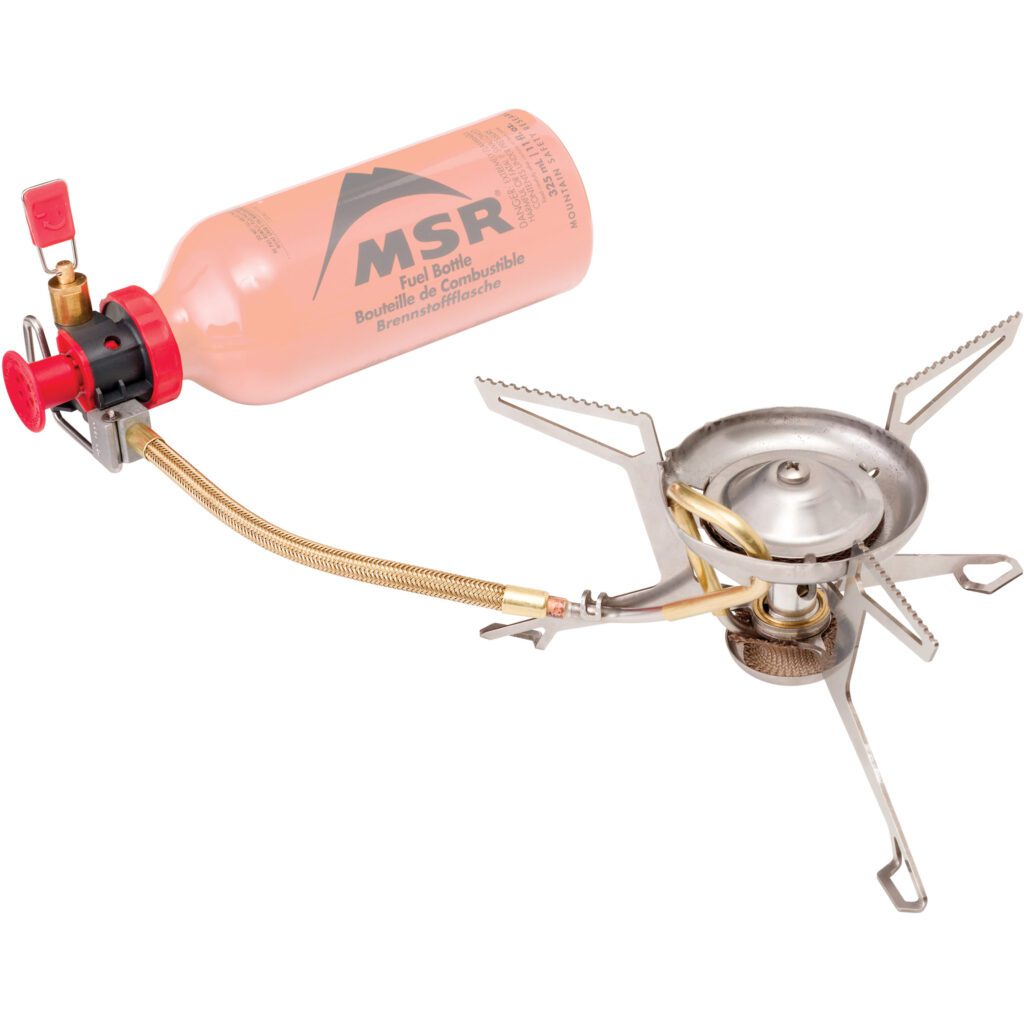
The moving company stored our belongings until we returned. We bought rugged backpacks with zip-on day packs. Vivian carried the medical kit, which filled a third of her pack, and a camp stove, cook kit, shortwave radio, and water filter took up the same amount of space in mine.
By mid-October, we were ready to leave.